
Tulane University of Louisiana
Overview
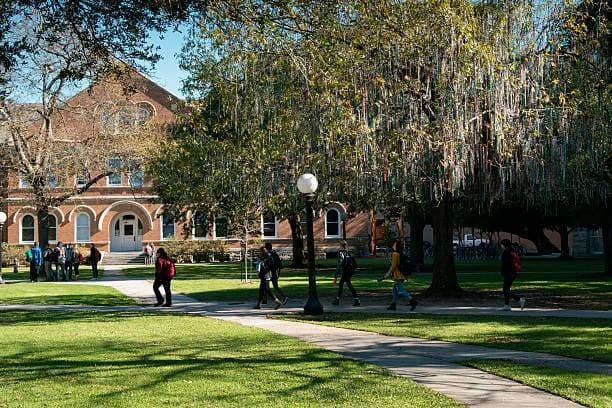
Tulane University of Louisiana is a private research university located in New Orleans, Louisiana. Founded in 1834, it operates as a nonsectarian institution with undergraduate, graduate, and professional programs across disciplines including liberal arts, science and engineering, business, law, medicine, and public health. The university’s main Uptown campus sits along St. Charles Avenue near Audubon Park. Tulane is a member of the Association of American Universities and is known for its research activity and emphasis on public service and community engagement. Students are often drawn to Tulane University of Louisiana for its combination of academic programs, urban setting, and connections to the cultural and civic life of New Orleans.
Admission Requirements
With a 13.98% acceptance rate, Tulane University of Louisiana is selective. Admitted students usually have strong academic records, competitive test scores, and consistent involvement in extracurricular activities. While admission is competitive, applicants who demonstrate solid academic preparation and clear interests have a realistic chance of admission.
Cost & Financial Aid
History
Tulane University of Louisiana was founded in 1834 as the Medical College of Louisiana in New Orleans to address public health crises such as yellow fever and cholera. In 1847, the institution became part of the public University of Louisiana. A major transformation occurred in 1884 when a donation from merchant Paul Tulane led the Louisiana Legislature to transfer the university to the Tulane Educational Fund, creating the private, nonsectarian Tulane University of Louisiana. William Preston Johnston became its first president that same year. In the late nineteenth and early twentieth centuries, Tulane expanded beyond medicine to include liberal arts, science, law, and engineering, and established its Uptown campus. Over time, Tulane University of Louisiana developed into a comprehensive research university. In the twenty-first century, the university underwent significant rebuilding and institutional change following Hurricane Katrina, reinforcing its commitment to research, public service, and engagement in New Orleans.
Campus life
Gender
Race & ethnicity
Tulane University of Louisiana has a 7:1 student-to-faculty ratio, which means small class sizes and close interaction with professors. Students often benefit from more personalized attention, accessible faculty mentorship, and greater opportunities for discussion and research collaboration.
Applying to Tulane University of Louisiana with Unive
Applying to Tulane University of Louisiana involves submitting an application, academic transcripts, and supporting materials that reflect both academic preparation and personal engagement. The university reviews students holistically, considering coursework, extracurricular involvement, leadership, and fit with its New Orleans-based community. Prospective students interested in research, public service, and interdisciplinary study often find Tulane University of Louisiana aligned with their goals.
Financial Aid at Tulane University of Louisiana
Tulane University of Louisiana offers a range of financial aid options, including need-based assistance, merit scholarships, and federal aid programs. Students are encouraged to complete the FAFSA and review scholarship opportunities early in the admissions cycle. Understanding tuition costs, housing expenses, and available grants can help families plan effectively for attendance at Tulane University of Louisiana.
Build a Stronger Application with Unive
Unive supports applicants to Tulane University of Louisiana with AI-powered tools for essay development, extracurricular strategy, and clear application positioning. Students can refine personal statements, highlight meaningful achievements, and identify relevant academic interests. Unive also helps families explore financial aid opportunities, making the overall application process more organized and strategic.
Ready to Apply to Tulane University of Louisiana?
Join thousands of students using Unive to craft standout applications for their dream schools.
Add to My College List


Is the information about Tulane University of Louisiana accurate and helpful?