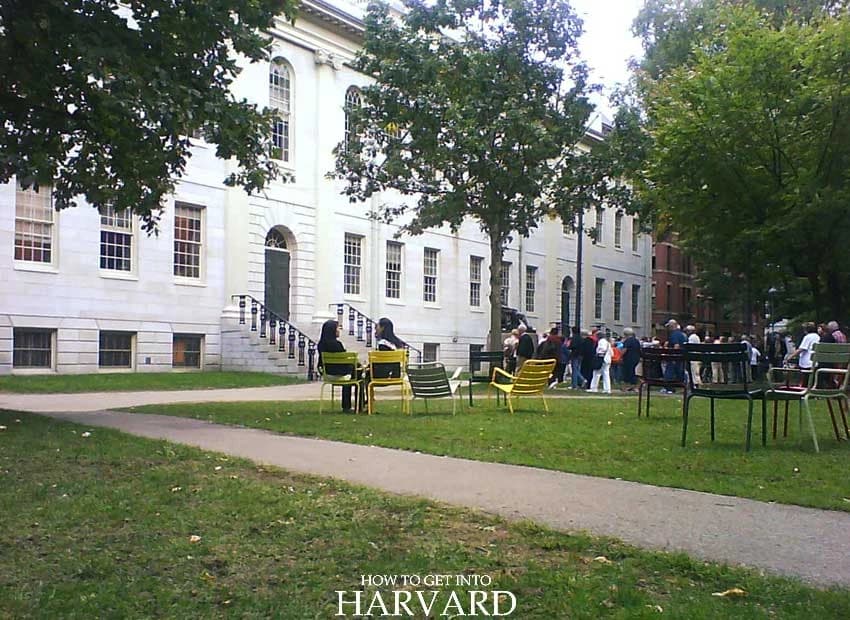

Harvard University
Overview
Harvard University is a private research university located in Cambridge, Massachusetts. Established in 1636, it is the oldest institution of higher education in the United States. Harvard University includes undergraduate Harvard College as well as multiple graduate and professional schools in fields such as law, medicine, business, education, public health, and government. The university is known for its broad research activity, extensive library system, and influence in public policy, science, and the humanities. Students drawn to Harvard University often seek a comprehensive academic environment with access to diverse academic programs, research opportunities, and interdisciplinary study in an urban setting near Boston.
Admission Requirements
With a 3.65% acceptance rate, Harvard University is very selective. Successful applicants typically have top grades, strong standardized test scores, and outstanding extracurricular achievements. Admission is highly competitive, and the university looks for students who demonstrate academic excellence, leadership, and meaningful impact outside the classroom.
Cost & Financial Aid
History
Harvard University was founded in 1636 by a vote of the Great and General Court of the Massachusetts Bay Colony, making it the oldest institution of higher education in the United States. Established to educate clergy and civic leaders, the college was named for John Harvard, whose 1638 bequest supported its early development. Henry Dunster became the first president in 1640, helping organize the curriculum and governance structure. During the eighteenth and nineteenth centuries, Harvard University expanded beyond its original religious focus and developed professional schools in law and medicine. Under President Charles William Eliot in the late nineteenth century, the university introduced elective courses and modernized its academic system. In the twentieth century, Harvard University grew into a large research university, added graduate programs, and formally merged with Radcliffe College in 1999. Today, it operates as a comprehensive institution in Cambridge, Massachusetts.
Campus life
Gender
Race & ethnicity
Harvard University has a 7:1 student-to-faculty ratio, which means small class sizes and close interaction with professors. Students often benefit from more personalized attention, accessible faculty mentorship, and greater opportunities for discussion and research collaboration.
Applying to Harvard University with Unive
Applying to Harvard University involves a highly selective admissions process that evaluates academic achievement, extracurricular involvement, personal essays, and recommendations. Harvard University reviews applications holistically, considering intellectual curiosity, leadership, and community engagement alongside grades and test scores. Prospective students apply through the Common Application or Coalition Application and must meet specific deadlines for early or regular action.
Financial Aid at Harvard University
Harvard University offers need-based financial aid and states that admissions decisions are made without regard to a family’s ability to pay. Financial aid packages at Harvard University can include grants and work-study opportunities, with loans minimized for many families. Students must submit required financial documents to determine eligibility and maintain satisfactory academic progress to continue receiving aid.
Build a Stronger Application with Unive
Unive helps applicants prepare stronger submissions to Harvard University through AI-powered guidance on essays, extracurricular strategy, and overall application positioning. Students can refine personal statements, clarify academic goals, and identify meaningful activities that align with Harvard University’s expectations. Unive also supports financial aid discovery, helping families understand potential funding options and plan effectively.
Ready to Apply to Harvard University?
Join thousands of students using Unive to craft standout applications for their dream schools.
Add to My College List


Is the information about Harvard University accurate and helpful?