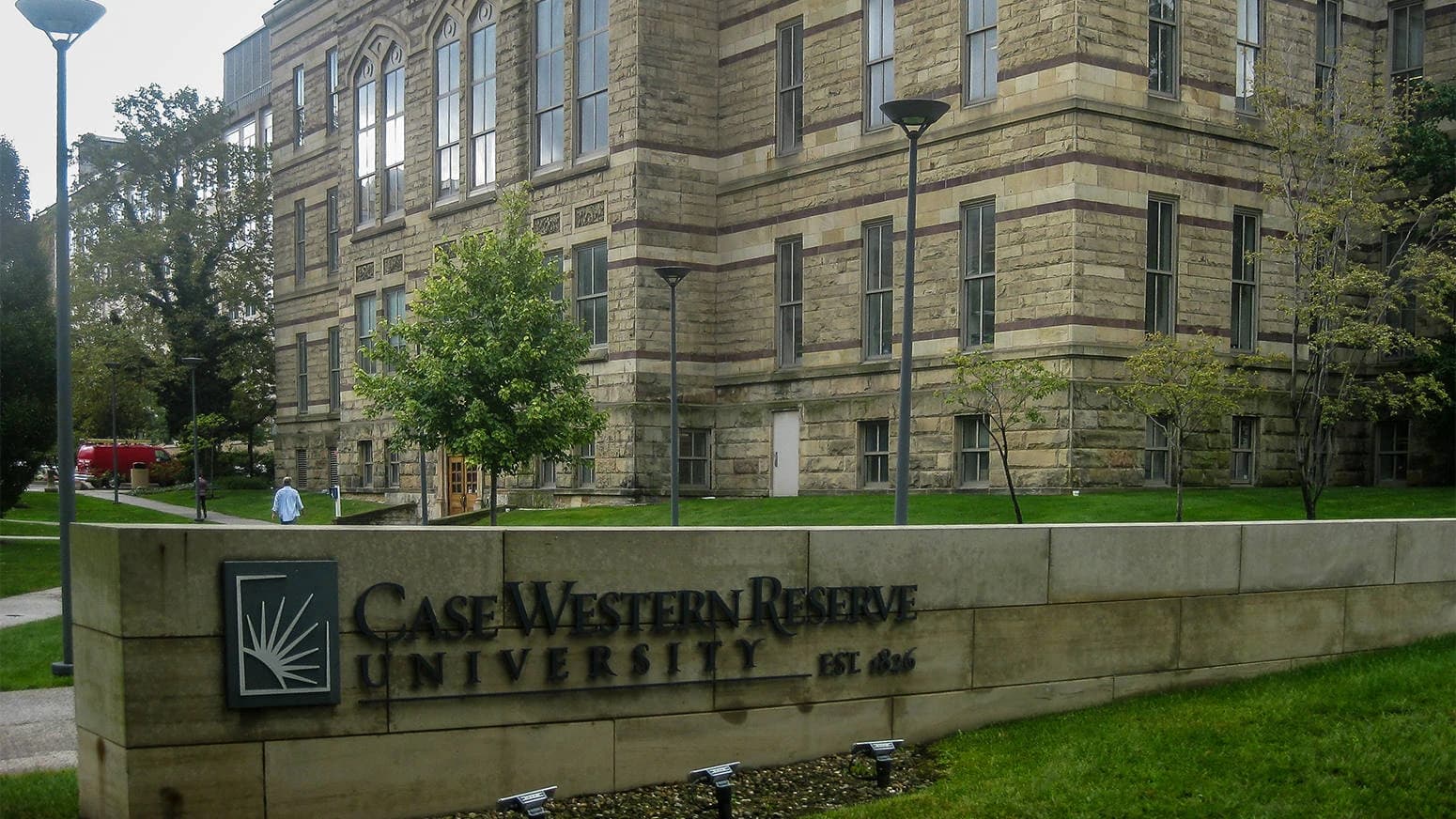

Case Western Reserve University
Overview
Case Western Reserve University is a private research university located in Cleveland, Ohio. Established in 1826 through the founding of Western Reserve College and later shaped by the 1967 federation with the Case Institute of Technology, the university operates as a comprehensive institution offering undergraduate, graduate, and professional programs. It is organized into multiple schools and colleges, including programs in engineering, medicine, law, management, nursing, and the arts and sciences. Case Western Reserve University is known for its emphasis on research, interdisciplinary collaboration, and strong programs in biomedical engineering and health sciences. Students are often drawn to its urban campus in University Circle and its integration of research opportunities with undergraduate education.
Admission Requirements
With a 36.54% acceptance rate, Case Western Reserve University is selective. Admitted students usually have strong academic records, competitive test scores, and consistent involvement in extracurricular activities. While admission is competitive, applicants who demonstrate solid academic preparation and clear interests have a realistic chance of admission.
Cost & Financial Aid
History
Case Western Reserve University traces its origins to 1826, when Western Reserve College was founded in Hudson, Ohio. Established by Presbyterian leaders to provide classical education in the Western Reserve region, the college later moved to Cleveland in 1882. In 1880, philanthropist Leonard Case Jr. founded the Case School of Applied Science, emphasizing engineering and scientific education. The two institutions operated separately but collaborated closely for decades. On July 1, 1967, Western Reserve University and Case Institute of Technology formally federated to create Case Western Reserve University in Cleveland, Ohio. Following the federation, the university expanded its research profile, launched pioneering programs in biomedical engineering, and strengthened professional education in medicine, law, and management. Over time, Case Western Reserve University developed into a comprehensive private research university while maintaining its historic ties to both liberal arts and applied science traditions.
Campus life
Gender
Race & ethnicity
Case Western Reserve University has a 9:1 student-to-faculty ratio, which means small class sizes and close interaction with professors. Students often benefit from more personalized attention, accessible faculty mentorship, and greater opportunities for discussion and research collaboration.
Applying to Case Western Reserve University with Unive
Applying to Case Western Reserve University involves a holistic review process that considers academic achievement, course rigor, extracurricular involvement, recommendations, and personal essays. Located in Cleveland, Ohio, Case Western Reserve University attracts students interested in research, engineering, health sciences, and interdisciplinary study. Applicants can apply through the Common Application and may choose from several decision plans, including Early Action and Early Decision.
Financial Aid at Case Western Reserve University
Case Western Reserve University offers a range of financial aid options, including need-based grants, merit scholarships, loans, and work-study opportunities. Students applying to Case Western Reserve University are encouraged to submit the FAFSA and, when required, the CSS Profile to be considered for institutional aid. Merit scholarships are awarded based on academic performance and overall application strength.
Build a Stronger Application with Unive
Unive helps students prepare competitive applications to Case Western Reserve University through AI-powered guidance on personal essays, extracurricular strategy, and application positioning. Students can refine their narratives, highlight academic interests, and identify relevant research or service experiences. Unive also supports financial aid discovery, helping applicants explore scholarship opportunities and build a well-planned admissions strategy.
Ready to Apply to Case Western Reserve University?
Join thousands of students using Unive to craft standout applications for their dream schools.
Add to My College List


Is the information about Case Western Reserve University accurate and helpful?