
University of California-Santa Cruz
Overview
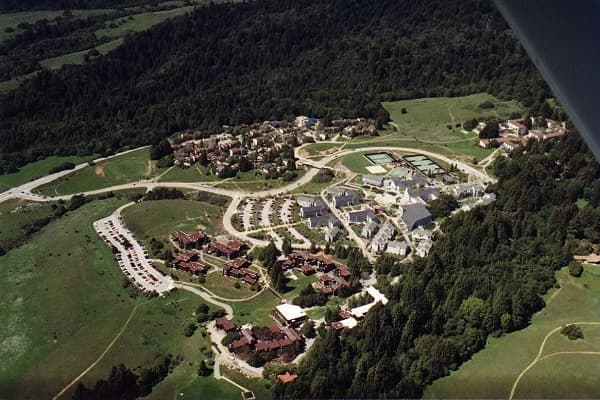
University of California-Santa Cruz is a public land-grant research university located in Santa Cruz, California. Founded in 1965 as part of the University of California system, it operates on a residential college model that integrates smaller colleges within a larger research university structure. The campus is situated on a coastal site overlooking Monterey Bay. UC Santa Cruz is classified as an R1 doctoral university with very high research activity and is known for programs in the sciences, engineering, humanities, and social sciences. Its interdisciplinary approach and distinctive college system attract students seeking a research-focused education within a smaller community setting.
Admission Requirements
With a 65.79% acceptance rate, University of California-Santa Cruz is moderately selective. Applicants are expected to show good academic performance and readiness for college-level coursework. Students with consistent grades, extracurricular involvement, and a well-prepared application are typically competitive for admission.
Cost & Financial Aid
History
University of California-Santa Cruz was founded in 1965 as part of the University of California system’s expansion to serve California’s growing population. Planning for the campus began in the 1950s, and Santa Cruz was selected as the site in 1959. The university opened with an innovative residential college model that emphasized interdisciplinary study and close faculty-student interaction. Dean McHenry became the founding chancellor and helped shape the academic vision of University of California-Santa Cruz during its formative years. Over the following decades, the campus expanded its academic divisions, established the Baskin School of Engineering in 1997, and developed major research centers. By the 21st century, University of California-Santa Cruz had grown into a comprehensive research university with doctoral programs, significant research activity, and membership in the Association of American Universities, reflecting its continued institutional development in Santa Cruz, California.
Campus life
Gender
Race & ethnicity
University of California-Santa Cruz has a 22:1 student-to-faculty ratio, meaning classes may be larger, especially in introductory courses. While lecture-based learning may be more common, students still have opportunities to connect with professors through office hours, discussion sections, and academic advising.
Applying to University of California-Santa Cruz with Unive
Applying to University of California-Santa Cruz involves submitting the University of California application, academic transcripts, and required personal insight responses. As a selective public research university, University of California-Santa Cruz evaluates applicants through a comprehensive review process that considers academic achievement, course rigor, extracurricular involvement, and personal background.
Financial Aid at University of California-Santa Cruz
University of California-Santa Cruz offers financial aid through federal, state, and institutional programs, including grants, scholarships, work-study, and loans. California residents may qualify for Cal Grants and other state-based assistance, while need-based aid programs help make attendance more affordable for eligible students.
Build a Stronger Application with Unive
Unive helps students prepare competitive applications to University of California-Santa Cruz with AI-powered guidance on essays, extracurricular strategy, and application positioning. Students can refine personal insight responses, highlight academic strengths, and discover relevant financial aid opportunities to support their enrollment plans.
Ready to Apply to University of California-Santa Cruz?
Join thousands of students using Unive to craft standout applications for their dream schools.
Add to My College List


Is the information about University of California-Santa Cruz accurate and helpful?