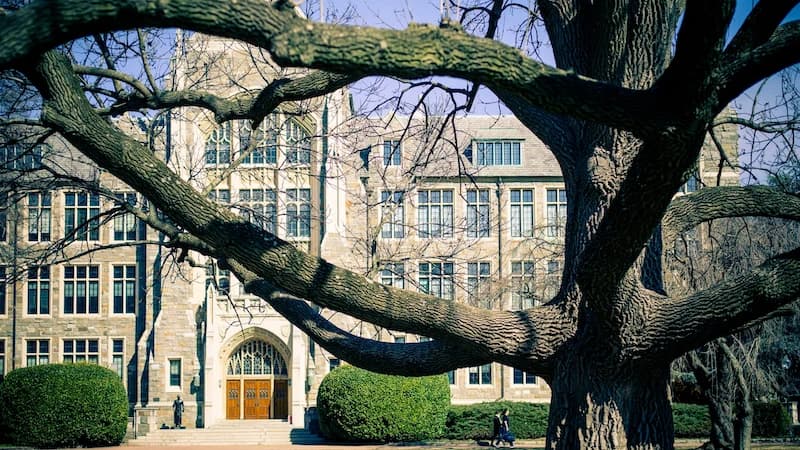

Georgetown University
Overview
Georgetown University is a private Jesuit research university located in Washington, D.C. Founded in 1789, it is the oldest Catholic and Jesuit institution of higher education in the United States. The university offers undergraduate, graduate, and professional programs across schools such as the College of Arts & Sciences, the Walsh School of Foreign Service, the McDonough School of Business, the Law Center, and the School of Medicine. Georgetown is known for programs in international relations, law, public policy, business, and global health, drawing students interested in public service, government, and international affairs. Its location in the nation’s capital shapes academic and professional opportunities in politics, diplomacy, and research.
Admission Requirements
With a 12.91% acceptance rate, Georgetown University is selective. Admitted students usually have strong academic records, competitive test scores, and consistent involvement in extracurricular activities. While admission is competitive, applicants who demonstrate solid academic preparation and clear interests have a realistic chance of admission.
Cost & Financial Aid
History
Georgetown University was founded in 1789 in what is now Washington, D.C., by John Carroll, the first Catholic bishop in the United States. Established as Georgetown College, it became the nation’s oldest Catholic and Jesuit institution of higher education. In 1815, Georgetown received a federal charter, strengthening its legal status. During the 19th century, the university expanded its curriculum and facilities, and after the Civil War it adopted the colors blue and gray to symbolize national unity. Under President Patrick Francis Healy in the late 1800s, Georgetown University modernized its academic standards and campus buildings. The Graduate School was formally organized in the 1930s, broadening advanced study. Women began enrolling in certain programs in the early 20th century, and Georgetown University became fully coeducational in 1969. Over time, it developed professional schools in foreign service, law, medicine, and business, shaping its present structure.
Campus life
Gender
Race & ethnicity
Georgetown University has a 11:1 student-to-faculty ratio, providing a balance between personalized instruction and a broader classroom environment. Students can expect opportunities to engage with professors while also benefiting from diverse perspectives in class discussions.
Applying to Georgetown University with Unive
Applying to Georgetown University involves a selective admissions process that reviews academic performance, standardized testing policies, extracurricular involvement, essays, and recommendations. Located in Washington, D.C., Georgetown University evaluates applicants holistically, with particular attention to intellectual curiosity and engagement with community or public service. Prospective students apply to specific undergraduate schools, such as the College of Arts & Sciences or the Walsh School of Foreign Service, each with distinct expectations.
Financial Aid at Georgetown University
Georgetown University offers need-based financial aid to undergraduate students and provides a range of scholarships, grants, loans, and work-study options. The university states that it meets demonstrated financial need for eligible students, and U.S. citizens and permanent residents can apply for federal and institutional aid. Understanding tuition costs, aid policies, and required documentation is an important part of planning for Georgetown University.
Build a Stronger Application with Unive
Unive helps students prepare competitive applications to Georgetown University through AI-powered guidance on essays, extracurricular strategy, and overall positioning. Students can refine personal statements, clarify academic interests, and identify experiences that align with Georgetown University’s values. Unive also supports financial aid discovery, helping applicants organize deadlines and identify funding opportunities.
Ready to Apply to Georgetown University?
Join thousands of students using Unive to craft standout applications for their dream schools.
Add to My College List


Is the information about Georgetown University accurate and helpful?