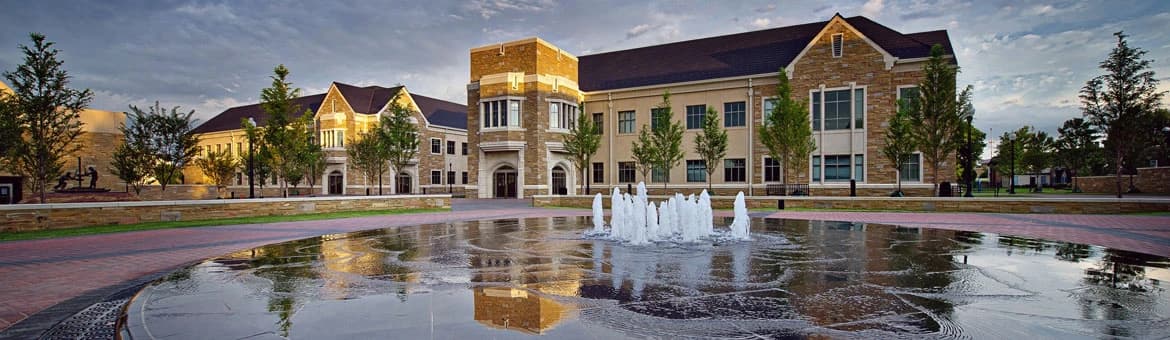

University of Tulsa
Overview
The University of Tulsa is a private research university located in Tulsa, Oklahoma. Founded in 1894 as Henry Kendall College, it later became the University of Tulsa after relocating from Muskogee to Tulsa in the early twentieth century. The university offers undergraduate, graduate, and professional programs across disciplines including engineering, business, law, arts and sciences, and health sciences. It is particularly known for its programs in petroleum engineering, cybersecurity, and Native American law and history. With a residential campus and a relatively small student body, it attracts students seeking a close-knit academic environment combined with research opportunities and professional preparation.
Admission Requirements
With a 61.51% acceptance rate, University of Tulsa is moderately selective. Applicants are expected to show good academic performance and readiness for college-level coursework. Students with consistent grades, extracurricular involvement, and a well-prepared application are typically competitive for admission.
Cost & Financial Aid
History
The University of Tulsa traces its origins to 1894, when Henry Kendall College was established in Muskogee in Indian Territory by Presbyterian leaders. The first president, William A. Caldwell, led the early institution before it expanded under subsequent leadership. In 1907, just before Oklahoma achieved statehood, the college relocated to Tulsa after a successful civic campaign to bring higher education to the growing city. The institution adopted the name University of Tulsa in 1920 as it broadened its academic scope. During the twentieth century, the University of Tulsa added programs in petroleum engineering, business, and law, and survived significant financial challenges during the Great Depression. Under President Clarence I. Pontius beginning in the 1930s, the university stabilized financially and expanded academically. Over time, the University of Tulsa developed into a private research university serving students from across the United States and abroad.
Campus life
Gender
Race & ethnicity
University of Tulsa has a 10:1 student-to-faculty ratio, which means small class sizes and close interaction with professors. Students often benefit from more personalized attention, accessible faculty mentorship, and greater opportunities for discussion and research collaboration.
Applying to University of Tulsa with Unive
Applying to University of Tulsa involves submitting an online application, academic transcripts, and supporting materials such as essays and recommendations. The university reviews applicants holistically, considering academic achievement, extracurricular involvement, and personal background. Prospective students interested in programs such as engineering, business, or law should review specific admission requirements and deadlines for the University of Tulsa to ensure a complete and competitive application.
Financial Aid at University of Tulsa
University of Tulsa offers a range of financial aid options, including merit-based scholarships, need-based grants, federal aid, and work-study opportunities. Many students receive scholarship assistance, and applicants are encouraged to complete the FAFSA and review institutional scholarship criteria. Understanding tuition costs and available aid programs can help families plan effectively for attendance at University of Tulsa.
Build a Stronger Application with Unive
Unive helps students strengthen their University of Tulsa applications through AI-powered guidance on essays, extracurricular strategy, and overall positioning. From refining personal statements to identifying meaningful activities and discovering financial aid opportunities, Unive provides structured support at every stage. Students can approach the University of Tulsa admissions process with greater clarity, confidence, and organization.
Ready to Apply to University of Tulsa?
Join thousands of students using Unive to craft standout applications for their dream schools.
Add to My College List


Is the information about University of Tulsa accurate and helpful?