
University of Michigan-Ann Arbor
Overview
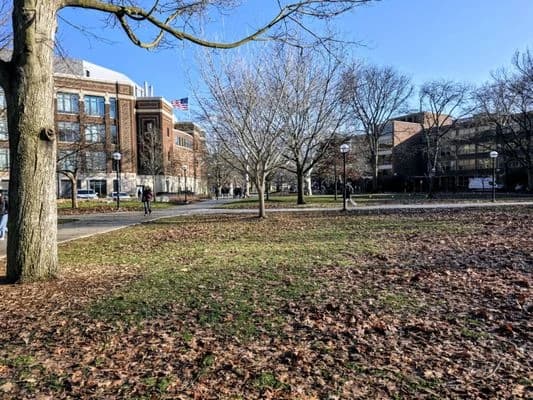
University of Michigan-Ann Arbor is a public research university located in Ann Arbor, Michigan. Founded in 1817, it is the flagship institution of the University of Michigan system and one of the oldest public universities in the United States. The university offers a wide range of undergraduate, graduate, and professional programs across disciplines including engineering, business, law, medicine, public policy, and the arts and sciences. It is a member of the Big Ten Conference and is known for its extensive research activity and large residential campus. Students are often drawn to University of Michigan-Ann Arbor for its broad academic offerings, research opportunities, and active campus life in a college-centered city environment.
Admission Requirements
With a 15.64% acceptance rate, University of Michigan-Ann Arbor is selective. Admitted students usually have strong academic records, competitive test scores, and consistent involvement in extracurricular activities. While admission is competitive, applicants who demonstrate solid academic preparation and clear interests have a realistic chance of admission.
Cost & Financial Aid
History
University of Michigan-Ann Arbor traces its origins to 1817, when it was established in Detroit as the Catholepistemiad of Michigania in the Michigan Territory. In 1837, the year Michigan became a state, the institution relocated to Ann Arbor and began developing on a 40-acre campus. During the mid-19th century, under the leadership of its first president, Henry Philip Tappan, University of Michigan-Ann Arbor expanded its curriculum and emphasized research and graduate education. By the late 1800s, it had added professional schools in medicine, law, and engineering. The university continued to grow throughout the 20th century, increasing enrollment, research capacity, and campus facilities. Today, University of Michigan-Ann Arbor is a major public research university in Ann Arbor, Michigan, with a broad range of academic programs and a longstanding role in higher education in the United States.
Campus life
Gender
Race & ethnicity
University of Michigan-Ann Arbor has a 11:1 student-to-faculty ratio, providing a balance between personalized instruction and a broader classroom environment. Students can expect opportunities to engage with professors while also benefiting from diverse perspectives in class discussions.
Applying to University of Michigan-Ann Arbor with Unive
Applying to University of Michigan-Ann Arbor involves a competitive admissions process that considers academic performance, coursework rigor, extracurricular involvement, and personal essays. As a large public research institution in Ann Arbor, Michigan, University of Michigan-Ann Arbor reviews applicants holistically and offers a range of undergraduate and professional programs. Prospective students should prepare strong transcripts, thoughtful essays, and clear academic goals when applying.
Financial Aid at University of Michigan-Ann Arbor
University of Michigan-Ann Arbor provides financial aid through a combination of scholarships, grants, work-study programs, and loans. Both in-state and out-of-state students can explore need-based and merit-based options. Completing required financial aid forms on time is an important step for applicants seeking assistance at University of Michigan-Ann Arbor.
Build a Stronger Application with Unive
Unive helps students strengthen their University of Michigan-Ann Arbor applications with AI-powered tools for essay feedback, extracurricular planning, and strategic positioning. Students can refine personal statements, identify meaningful activities, and discover financial aid opportunities. By organizing achievements and clarifying goals, applicants can present a more cohesive and compelling application to University of Michigan-Ann Arbor.
Ready to Apply to University of Michigan-Ann Arbor?
Join thousands of students using Unive to craft standout applications for their dream schools.
Add to My College List


Is the information about University of Michigan-Ann Arbor accurate and helpful?