
Whittier College
Overview
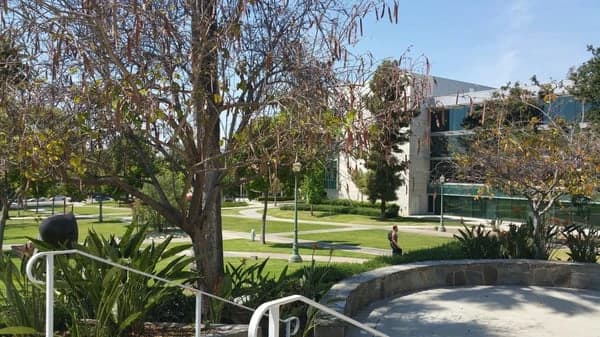
Whittier College is a private liberal arts college located in Whittier, California, in Los Angeles County. Founded in 1887 by members of the Religious Society of Friends, the college has historic Quaker roots and continues to emphasize community engagement and ethical responsibility. It offers undergraduate programs in the arts, humanities, social sciences, and natural sciences, along with select graduate programs. Whittier College competes in NCAA Division III athletics and is known for its small class sizes and close student-faculty interaction. The college attracts students seeking a residential liberal arts education in a suburban Southern California setting with access to the greater Los Angeles region.
Admission Requirements
With a 80.79% acceptance rate, Whittier College is moderately selective. Applicants are expected to show good academic performance and readiness for college-level coursework. Students with consistent grades, extracurricular involvement, and a well-prepared application are typically competitive for admission.
Cost & Financial Aid
History
Whittier College was founded in 1887 in Whittier, California, by members of the Religious Society of Friends, also known as Quakers. Originally established as Whittier Academy, the institution expanded to offer collegiate instruction in the 1890s and officially adopted the name Whittier College in 1895. Charles E. Tebbetts became the first president of Whittier College in 1900, helping guide its early development and fundraising efforts. In its early decades, the college emphasized liberal arts education and character development rooted in Quaker values. During the twentieth century, Whittier College grew academically and physically, adding new academic programs, residence halls, and campus facilities. The college educated future U.S. President Richard Nixon, who graduated in 1934. Although its formal religious affiliation later ended, Whittier College maintained its historical commitment to civic engagement. Over time, it evolved into a small, private liberal arts college serving a diverse student population in Southern California.
Campus life
Gender
Race & ethnicity
Whittier College has a 8:1 student-to-faculty ratio, which means small class sizes and close interaction with professors. Students often benefit from more personalized attention, accessible faculty mentorship, and greater opportunities for discussion and research collaboration.
Applying to Whittier College with Unive
Applying to Whittier College involves submitting an undergraduate application, academic transcripts, and supporting materials that reflect your preparation for a liberal arts education. Whittier College evaluates students holistically, considering coursework, extracurricular involvement, and personal qualities. Prospective students should review program options, campus life, and admissions deadlines to plan effectively.
Financial Aid at Whittier College
Whittier College offers financial aid through a combination of scholarships, grants, loans, and work-study opportunities. Students applying to Whittier College can complete the FAFSA and any required institutional forms to determine eligibility for need-based and merit-based assistance. Understanding tuition costs and available aid options is an important part of the application process.
Build a Stronger Application with Unive
Unive helps students strengthen their Whittier College applications with AI-powered support for essays, extracurricular strategy, and overall positioning. From refining personal statements to identifying meaningful activities and discovering financial aid opportunities, Unive guides applicants through each stage of preparation so they can present a thoughtful and organized application.
Ready to Apply to Whittier College?
Join thousands of students using Unive to craft standout applications for their dream schools.
Add to My College ListIs the information about Whittier College accurate and helpful?