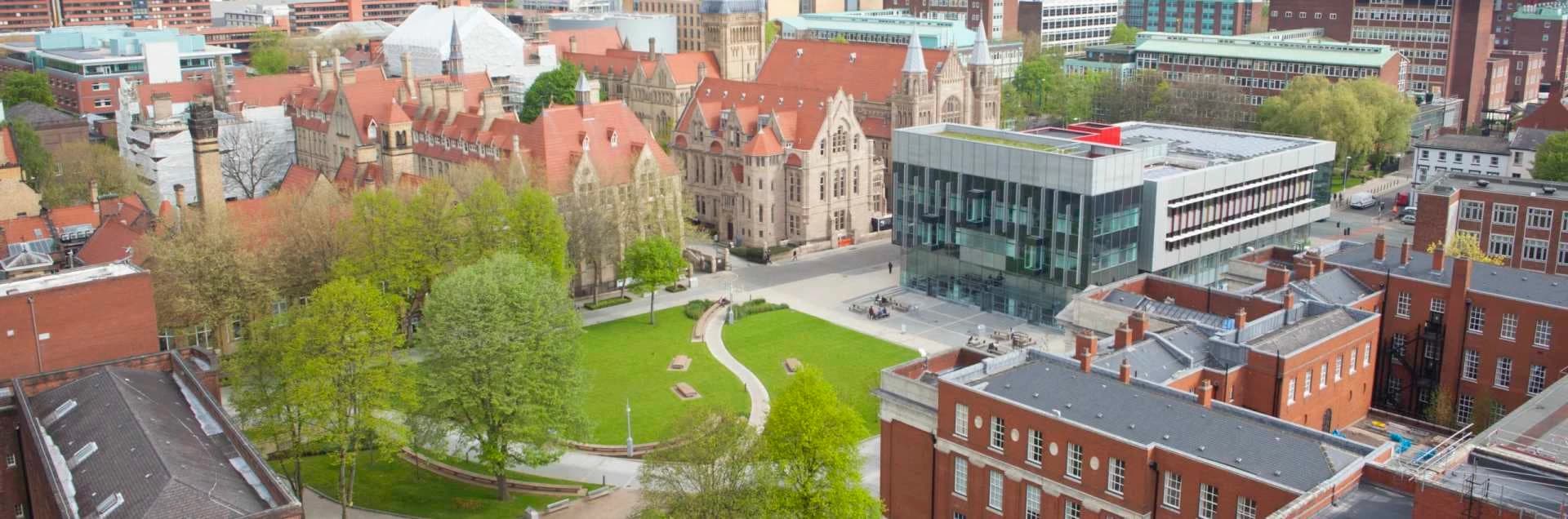

Manchester University
Overview
Manchester University is a private liberal arts university in North Manchester, Indiana, with a second location in Fort Wayne focused on health sciences and professional programs. Affiliated with the Church of the Brethren, it offers undergraduate majors in the arts and sciences along with graduate programs in pharmacy, athletic training, business, nutrition, and related fields. The university operates on a residential campus model and competes in NCAA Division III athletics. Manchester University is known for its historic commitment to peace studies, including one of the earliest undergraduate peace studies programs in the United States. Students are often drawn to its small class sizes, faith-informed heritage, and combination of liberal arts and professional education opportunities.
Admission Requirements
With a 71.06% acceptance rate, Manchester University is moderately selective. Applicants are expected to show good academic performance and readiness for college-level coursework. Students with consistent grades, extracurricular involvement, and a well-prepared application are typically competitive for admission.
Cost & Financial Aid
History
Manchester University traces its origins to the Roanoke Classical Seminary, founded in 1860 in Roanoke, Indiana, by the United Brethren Church. In 1889, the institution moved to North Manchester, Indiana, and became Manchester College. David N. Howe, who had led the seminary, served as the first president of Manchester College from 1889 to 1894. In 1895, representatives of the Church of the Brethren purchased the campus, shaping the institution’s long-term religious affiliation. During the early twentieth century, Manchester University shifted from academy and Bible school instruction to a liberal arts focus, and the academy was discontinued in 1923. In 1932, it merged with Mount Morris College of Illinois. Manchester University established one of the first undergraduate peace studies programs in 1948. Reflecting expanded graduate offerings, the institution was renamed Manchester University in 2012 and opened a Fort Wayne campus centered on health sciences programs.
Campus life
Gender
Race & ethnicity
Manchester University has a 12:1 student-to-faculty ratio, providing a balance between personalized instruction and a broader classroom environment. Students can expect opportunities to engage with professors while also benefiting from diverse perspectives in class discussions.
Applying to Manchester University with Unive
Applying to Manchester University involves submitting an application, academic transcripts, and supporting materials such as recommendations or a personal statement, depending on the program. Manchester University reviews applicants holistically, considering academic preparation, extracurricular involvement, and personal background. Prospective students can apply to undergraduate programs at the North Manchester campus or to specialized graduate programs in Fort Wayne, including pharmacy and other health sciences fields.
Financial Aid at Manchester University
Manchester University offers a range of financial aid options, including merit-based scholarships, need-based grants, federal aid programs, and student employment opportunities. Many students at Manchester University receive institutional scholarships that help reduce overall tuition costs. Applicants are encouraged to complete the FAFSA and review program-specific aid opportunities, particularly for graduate and professional studies.
Build a Stronger Application with Unive
Unive helps students prepare competitive applications to Manchester University through AI-powered guidance on essays, extracurricular strategy, and overall application positioning. Students can refine personal statements, identify experiences that align with Manchester University’s mission, and explore financial aid discovery tools to uncover scholarship opportunities that support their academic goals.
Ready to Apply to Manchester University?
Join thousands of students using Unive to craft standout applications for their dream schools.
Add to My College ListIs the information about Manchester University accurate and helpful?